
ULI: India's UPI Moment for Credit
UPI changed how India pays. ULI is trying to change how India borrows. If it works, it fixes a problem I've spent two decades staring at.
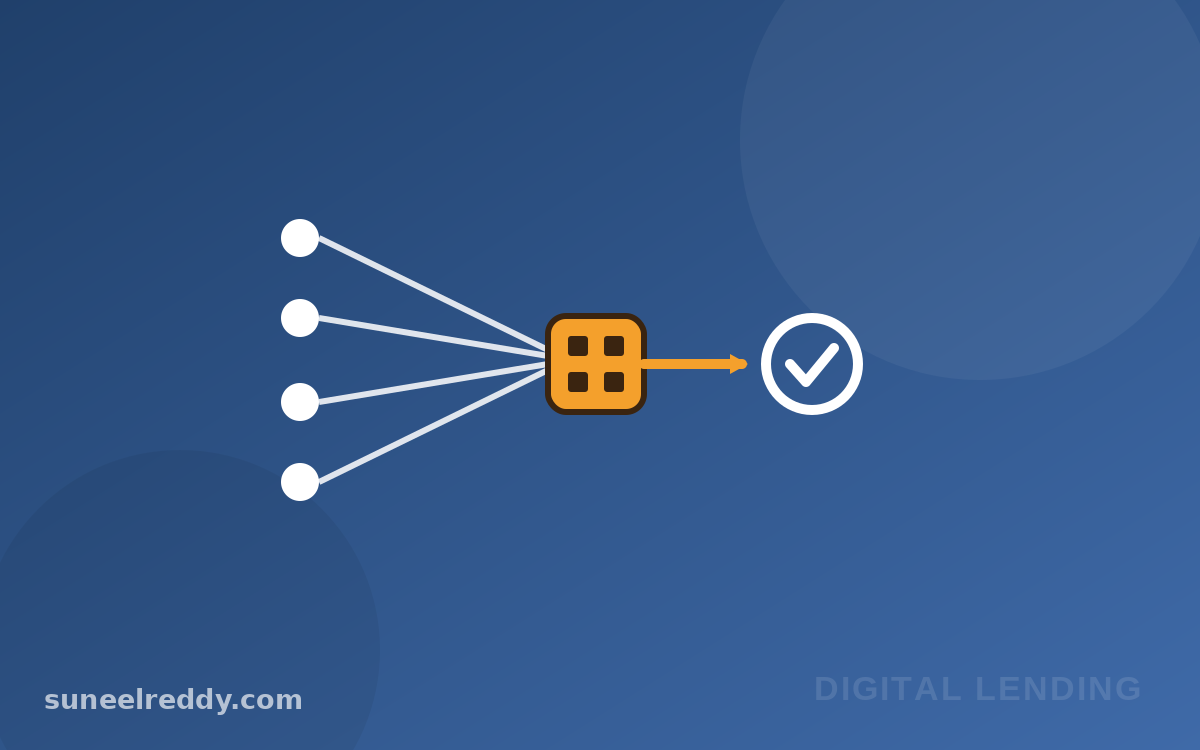
The Unified Lending Interface — RBI's new credit rail, in pilot now with a national rollout expected in 2026 — does something deceptively simple. It gives any lender a single, standardised pipe to a borrower's data: GST returns, income-tax filings, bank statements via Account Aggregators, utility payments, even land records. Consented, real-time, plug-and-play.
Why does that matter? Because India's ₹25–30 lakh crore MSME credit gap was never really a shortage of money. Among 64 million MSMEs, only about 14% have access to formal credit — not because they're all bad risks, but because the data needed to underwrite them sat scattered, unstructured, and too expensive to assemble. A small lender couldn't justify building a separate integration for every data source. So the thin-file borrower stayed invisible, and the loan didn't get made.
ULI attacks exactly that. It turns fragmented data into an assembled, ready-to-score picture — and lets a decision that used to take weeks happen in minutes.
But here's the part I'd caution anyone getting excited about: infrastructure is not underwriting. ULI solves the plumbing. It does not solve the judgment.
Three things I'll be watching:
1. Access to data raises the floor, not the ceiling. When every lender can pull the same GST and bank data, that data stops being an edge. The differentiation moves entirely to the model — how well you read the signals everyone now has.
2. Faster decisions mean faster mistakes, too. A five-minute approval is only a gift if the risk model behind it is sound. Speed multiplies whatever quality of judgment you bring to it — in both directions.
3. Consent and trust are the real constraints. These rails run on borrowers agreeing to share deeply personal financial data. The lenders who win will be the ones who earn that trust and use the data narrowly, not the ones who hoover up everything because they can.
For years the honest answer to “why can't this business get a loan?” was “because we can't see it clearly enough to price the risk.” ULI finally hands us the lens. Whether that closes the credit gap now depends on something rails can't provide: the quality of the judgment on the other end.
If you're building in lending or fintech — does ULI change your moat, or just change the table stakes?