
The Paycheck Is the Early-Warning Signal
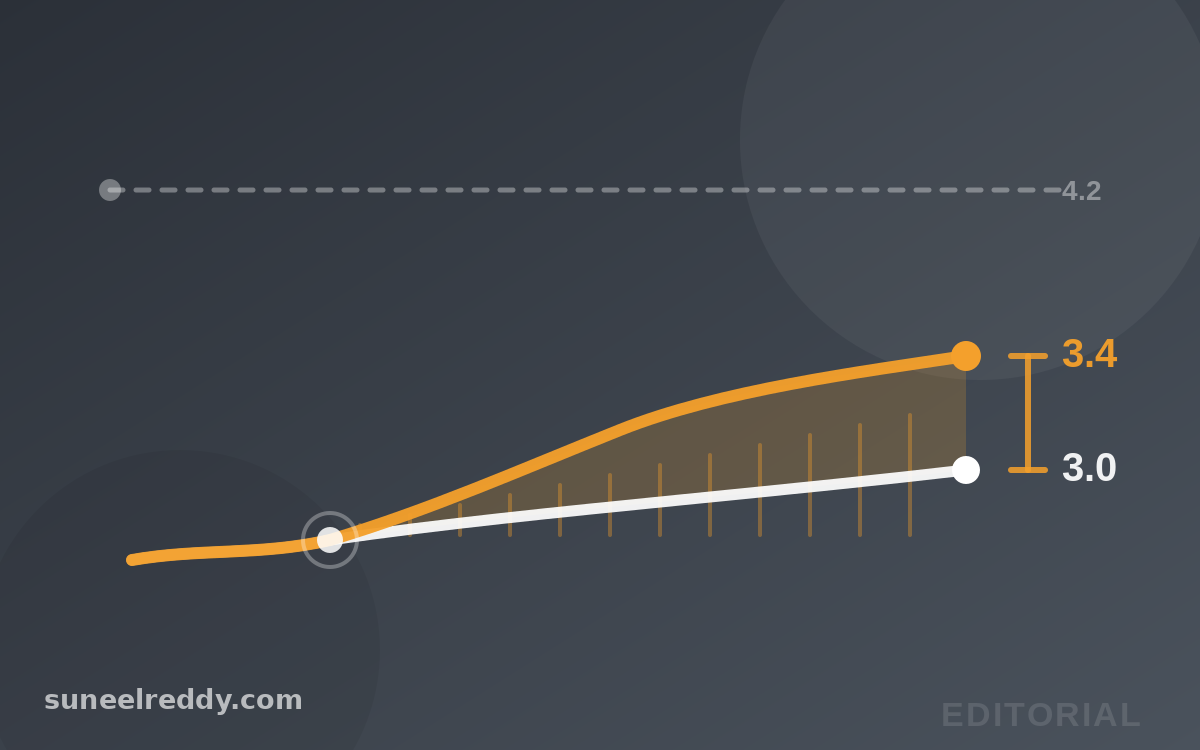
The US economy added 29,000 jobs in September. Economists had expected about 90,000. Markets cheered anyway, and I think that tells you how strange this moment is.
The Labor Department's numbers are worse than the headline. Unemployment rose to 4.2% from 4.1%. July was revised from +21,000 to a loss of 10,000 jobs, and August was cut from +162,000 to +133,000. Average hourly earnings rose 3.0% over twelve months, to $37.81, while headline inflation sits at 3.4%. Financial activities lost another 7,000 jobs and is down 129,000 since its May 2025 peak. Stocks rallied because bond traders cut the odds of an October rate hike from 64% to 16%. Meanwhile the 10-year Treasury yield is around 5.3% and Brent crude is near $100.
Most of the commentary will be about the Fed. I want to talk about the borrower.
Real wage growth has turned negative, and that is a credit story. A household earning 3.0% more while paying 3.4% more is losing ground every month, even with a job. That doesn't show up as a default for a while. It shows up first as a thinner cushion, then a maxed-out card, then a late payment on the smallest obligation. The paycheck is the earliest signal in credit, and it is flashing amber.
Models are trained on the wrong decade. I spent fifteen years building and delivering credit-risk software for lenders, and the uncomfortable lesson is that scorecards inherit the economy they were built in. Most were calibrated in a world of near-zero rates and low inflation, where employment was the dominant variable. Employment is still holding at 4.2%, but income adequacy is eroding underneath it. A model that only asks “is the borrower employed?” will look healthy right up to the point it isn't.
The counter-argument deserves respect. Unemployment at 4.2% is not a recession, and one weak month, especially one this heavily revised, can mislead. Hiring is concentrated in health care, and the labor market has not cracked. The market may be right that the Fed gets to pause. But a pause from a restrictive position, with long yields above 5% and oil at $100, is not relief for a small business refinancing a working-capital line.
That is the part I watch from both sides of the Pacific. In India, MSMEs borrow short and price off the same global energy shock. In the US, the same shock arrives through diesel, freight and card balances. The transmission differs; the squeeze is shared.
My view: lenders and the people who build their systems should stop treating a low unemployment rate as a clean bill of health. Add real income growth, payment-timing drift and cash-flow volatility to the model now, while the data is still benign enough to calibrate against, rather than after the delinquencies arrive.
The next two months of jobs data will tell us whether September was noise or the start of a trend. Either way, the credit cycle will move on the paycheck before it moves on the headline.
If unemployment stays at 4.2% but real wages keep falling, which do you trust to predict defaults: the rate or the paycheck?